No More “Free Lunch”: How a $9.3 Trillion Yen Shockwave Will Hit Your Wallet in 2026
Introduction: The Party’s Over, and the Bill is Due
Think of the global economy over the last three decades as one massive, all-you-can-eat buffet. And standing in the corner, quietly picking up the tab and keeping the “bottomless drinks” flowing, was the Bank of Japan.
Then came December 19, 2025. The house lights flickered on. The Governor of the Bank of Japan tapped his glass for attention and dropped a bomb that sent a shiver down Wall Street’s spine: The policy rate is going up to 0.75%.
Now, you might be thinking, “0.75%? Seriously? My credit card charges me 18%. That’s peanuts.”
But down in the deep plumbing of the financial world, that number isn’t just math—it’s a massive red flag. This is the first time since 1995 that rates have cracked the 0.5% psychological barrier. It means the spigot that’s been blasting cheap capital into the world for thirty years is finally being screwed shut.
For the whales on Wall Street, this means their favorite game is broken. But for you—whether you’re a mom stretching every dollar or a founder sweating over payroll—it means one thing: The rules of money just changed.

Chapter 1: Why Did the $9.3 Trillion Money Pump Just Stop?
To understand why your purchasing power is about to take a hit, you first have to wrap your head around Wall Street’s worst-kept secret: the Carry Trade.
1. What is “Borrow Yen, Buy the World”?
It’s actually pretty simple. Because interest rates in Japan have been effectively zero forever, smart money all over the globe got into the habit of borrowing Yen for cheap. Like, really cheap. Then, they’d flip that cash into Dollars or Euros and dump it into higher-yielding stuff like US Treasury bonds or stocks.
Imagine finding a bank that charges you zero interest on a loan. You’d be crazy not to borrow a ton of money and stick it in a savings account at another bank that actually pays you interest. It’s basically free money arbitrage.
2. How Big Are We Talking?
Estimates put the broad scale of this trade at a staggering $9.3 trillion. That massive pool of liquidity has been one of the main engines driving up asset prices worldwide—yes, including that index fund you own—over the last few years.
3. Why Is the Music Stopping Now?
That rate hike on December 19 changed the math. Borrowing Yen isn’t free anymore.
The “pump” that was blasting cheap Japanese capital all over the planet hasn’t just shut off; it’s started to suck. Money is now flowing back into Japan to pay off debts. That reversal is exactly why everyone in finance is suddenly screaming that the sky is falling.
Chapter 2: The Reality Check—From “Deflation” to “Price Hikes”
So, why did Japan risk rocking the boat by raising rates? Simple. They realized they couldn’t keep a lid on prices anymore.
For decades, a shopper in Tokyo could walk into a grocery store pretty much betting that eggs would be cheaper tomorrow than they were today. That was the deflationary mindset. But now? That script has flipped. Eggs are pricier. Even the cost of a bowl of ramen—which used to be practically set in stone—is climbing. Plus, companies are scrambling to find staff, which means they’re finally being forced to bump up paychecks.
This is the nasty side of “imported inflation.” Because the Yen took such a beating recently, bringing in oil and food from abroad got wildly expensive. The Bank of Japan essentially had no choice; they had to swallow the bitter pill of a rate hike just to stop the currency from bleeding out.
What Does This Mean for Us?
The global supply chain is basically one giant, tangled web. Japan is a massive exporter of raw materials and high-end tech components. When their costs go up, that expense eventually trickles down the line. Sooner or later, you’re going to see that extra cost baked into the price of the cars, electronics, and daily goods you buy.
Chapter 3: A Survival Guide for the Storm
Macroeconomics is the tide; our personal finances are the little boats bobbing on the surface. As cheap money evaporates in 2026, how do you keep your boat from capsizing? Here’s a tactical playbook for three key groups.
For the Household CFO (Moms & Home Managers): Cash Flow is Your Last Line of Defense
When global liquidity tightens, two things usually happen: assets shrink and prices wobble. If you’re the one balancing the family checkbook, your priority right now isn’t hitting a home run on an investment—it’s protecting home base.
- Watch for “Shrinkflation”: In 2026, inflation might not show up on the price tag. It’ll show up in the package size. You’ll pay the same amount, but get fewer chips in the bag or less detergent in the bottle. Keep your eyes peeled.
- Build an “Anti-Fragile” Stash: Aim to have at least 6 to 12 months of pure cash expenses set aside. Don’t lock this money up in the stock market or long-term bonds. Keep it liquid, accessible, and boring.
- Audit Your Fixed Costs: It’s time to be ruthless with subscriptions. Do you really need five streaming services? In this cycle, cash is king.
Recommended Reading:
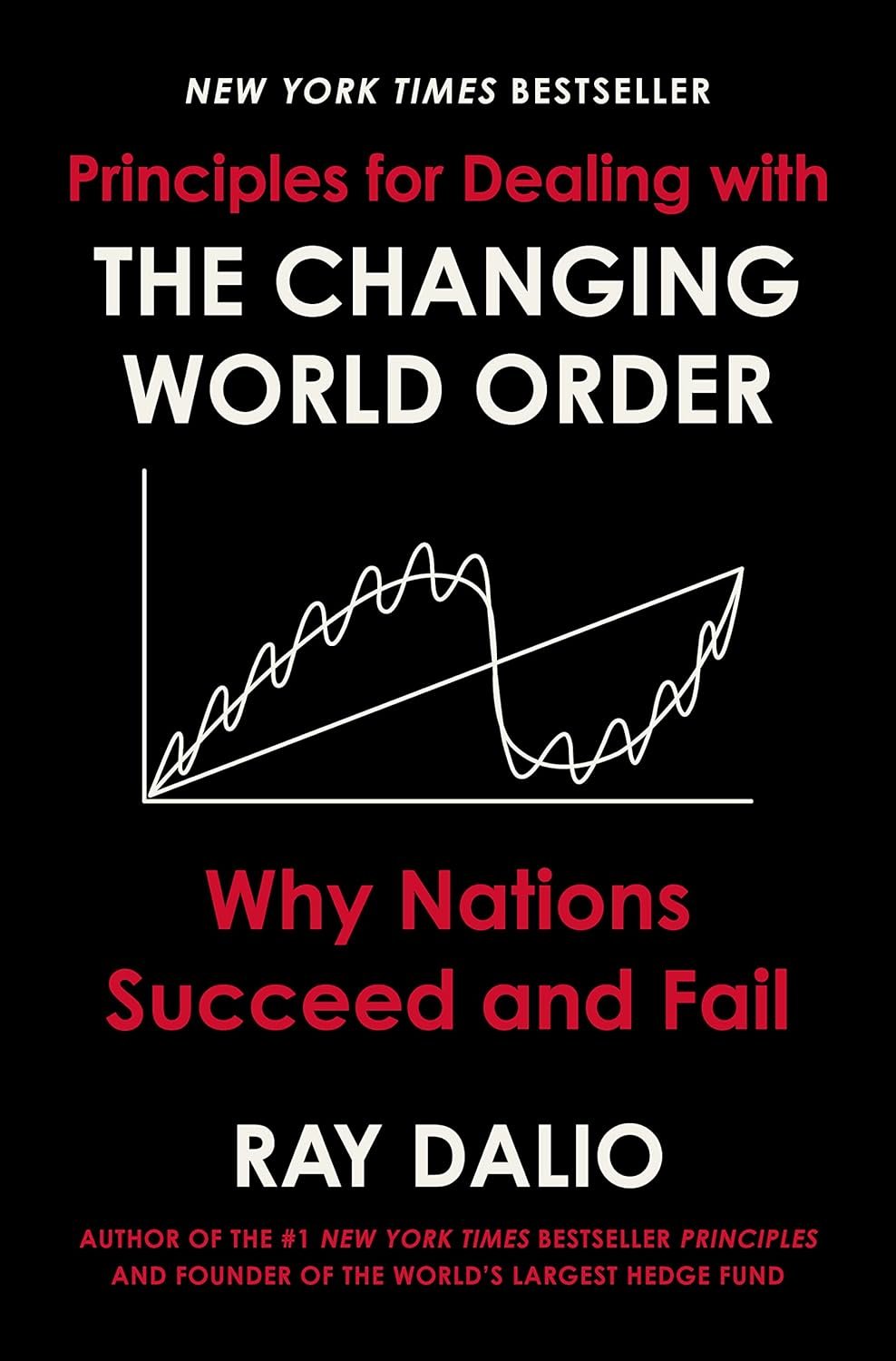
From legendary investor Ray Dalio, author of the #1 New York Times bestseller Principles, who has spent half a century studying global economies and markets, Principles for Dealing with the Changing World Order examines history’s most turbulent economic and political periods to reveal why the times ahead will likely be radically different from those we’ve experienced in our lifetimes—and to offer practical advice on how to navigate them well.
Chapter 4: The Million-Dollar Question—Will the Yen Skyrocket?
Finally, let’s tackle the question everyone is asking: Since Japan is raising rates, should I bet the farm on the Yen?
Wall Street’s answer: Probably not.
Here’s the math. Japan’s rates are creeping up to 0.75%, and the US might cut theirs down to around 3.5%. But look at the gap. That’s still a nearly 3% difference.
Think of it like two connecting pools. The water level in the “US pool” might be dropping a bit, but it’s still way higher than the “Japan pool.” Gravity—or in this case, economics—dictates that water (capital) is still going to flow downhill towards the Dollar.
So, don’t expect the Yen to go to the moon overnight. What you can expect is volatility. Lots of it.
For the average person? Stay out of the forex casino. Right now, that’s a battlefield where the gods are fighting, and you don’t want to get stepped on.
Conclusion: Learning to Survive in a World with Interest
December 19, 2025, wasn’t just another day on the calendar. It marked the official end of the “Free Money Era.”
Think of the last thirty years as an “all-you-can-drink” open bar sponsored by the Bank of Japan. Well, the rate hike was the bartender ringing the bell and announcing: “From now on, you’re paying for every drink.”
The party won’t clear out instantly, but you can bet everyone is starting to pat their pockets to check their wallets. For the rest of us, the smartest move isn’t to gamble on where the next bubble will be. It’s to put on a life vest (cash flow), grab a compass (knowledge), and keep steering your own ship steady.
(Disclaimer: This content is based on macro analysis and is strictly for educational purposes. The strategies and book recommendations mentioned here do not constitute specific financial investment advice. Markets are risky, so please proceed with caution.)